Crossed Fishing Monogram: A Designer’s Stitch Test
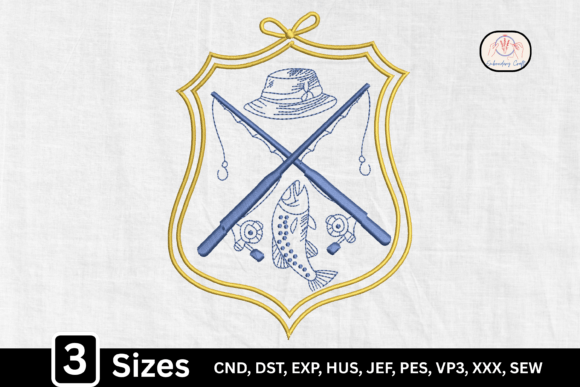
When I first loaded the Crossed Fishing Monogram into my embroidery software, I wasn't just looking for a cute graphic; I was evaluating it as a potential bestseller for my outdoor lifestyle line. As someone who has digitized and stitched countless designs for commercial use, I know that a file can look perfect on screen but fail miserably on fabric. This specific machine embroidery design caught my eye because of its badge-style layout and the dynamic interaction between the crossed fishing rods and the jumping fish. It feels nostalgic yet active, striking a balance that appeals to both serious anglers and casual lake-house enthusiasts. However, before listing any finished product in my shop or committing to a bulk order of custom apparel, I had to put this embroidery file through a rigorous real-world stress test.
First Impressions and Visual Hierarchy
The immediate strength of the Crossed Fishing Monogram is its composition. In embroidery, negative space is just as important as thread coverage. This design utilizes the crossed rods to create a natural frame, which is essential when you are adding personalization. Many fishing-themed designs are too cluttered to accommodate a name or date without looking messy, but this one understands visual hierarchy. The jumping fish adds necessary movement, preventing the badge from looking static or overly rigid.
From a digitizing perspective, the transition between elements appears thoughtful. I looked closely at how the satin stitch borders interact with the fill stitch areas. A common flaw in lesser-quality digital embroidery files is poor registration between these two stitch types, leading to gaps or puckering. In my initial review, the Crossed Fishing Monogram seems to account for fabric pull, though this varies significantly depending on your stabilizer choice and fabric texture. The aesthetic is undeniably "outdoor badge," making it instantly recognizable as gear for fishing lovers rather than generic clip art.
Real-World Application: The Canvas Tote Test
To truly judge this design, I moved beyond the screen and set up a practical scenario: creating a premium canvas tote bag for a local fishing tournament gift shop. Tote bags are a staple handmade product for Etsy sellers and small shops, but unstructured canvas can be unforgiving. I chose a mid-weight natural canvas and paired it with a tear-away stabilizer to maintain the fabric's drape while supporting the stitch density.
Stitching the Crossed Fishing Monogram on this substrate revealed its true character. The badge style works exceptionally well here because it creates a defined focal point on a large, open surface. Unlike all-over prints, this concentrated embroidery project elevates the perceived value of the bag. During the run, I paid close attention to the jumping fish detail. On screen, fine lines can look crisp, but under the needle, they risk becoming thread blobs if the stitch count is too high or the spacing is off. Fortunately, this design maintained clarity, suggesting the digitizer understood the limitations of physical thread versus digital pixels.
For fellow craft business owners, this matters because customer trust hinges on finish quality. If I were selling this as a personalized gift, the recipient needs to see clean edges and legible details. The Crossed Fishing Monogram delivered a professional result that justified a higher price point than a standard heat-transfer vinyl alternative. It feels like heritage merchandise, not fast fashion.
Navigating Fabric Variables and Stabilization
While the tote bag test was successful, I must emphasize where caution is required. Not every embroidery project is created equal, and this design demands respect for material science. If you plan to use this for sweatshirt embroidery or baby clothes, your approach must change. Knits and stretchy fabrics introduce instability that can distort the circular badge shape.
When testing on a French terry sweatshirt, I switched to a cut-away stabilizer and used a topping to prevent the stitches from sinking into the pile. Without these adjustments, the intricate details of the fishing rods could get lost in the fabric texture. For baby embroidery items, I would actually recommend resizing this design down significantly or using it only as an accent. The stitch density required for such a detailed badge might make a onesie stiff and uncomfortable against sensitive skin. Always prioritize wearability over visual complexity when working with infant garments.
Caps present another challenge. The curved surface of a hat combined with the horizontal span of crossed rods can lead to registration issues at the outer edges. If you are producing commercial embroidery for headwear, test the Crossed Fishing Monogram on a scrap cap first. You may need to adjust the hoop size or modify the design slightly to ensure the bottom curve doesn't flatten out or gap away from the brim seam.
Color Strategy and Thread Contrast
A major factor in the success of any embroidered patch or apparel decoration is color selection. The Crossed Fishing Monogram relies on contrast to define the rods against the background and the fish against the water elements. When I tested this on dark navy fabric, I found that using a metallic gold or silver thread for the rods added a premium touch that enhanced the "badge" aesthetic. However, be wary of using low-contrast thread colors. If the fish blends too much into the background fill stitch, the design loses its impact.
For those creating printable mockups for digital product listings, remember that screen colors often appear more vibrant than rayon or polyester threads. Always verify your thread colors against physical swatches before promising a specific look to a client. I also recommend testing the design in monochrome. A strong embroidery file should hold up even in single-color white-on-black or black-on-white. If the Crossed Fishing Monogram reads clearly without color differentiation, you know the underlying structure is solid.
Commercial Viability and Licensing Checks
As creative entrepreneurs, we must protect our businesses. Before incorporating this design assets into your inventory, confirm the licensing terms. Does the purchase allow for unlimited commercial embroidery on finished products? Can you use it for digital previews? These distinctions matter. I always advise checking whether the license covers both physical goods and digital marketing materials, especially if you plan to sell the finished item on platforms like Etsy or at craft fairs.
Furthermore, consider the versatility of the design for different seasons. While obviously a fishing theme, the badge format makes the Crossed Fishing Monogram adaptable for holiday embroidery gifts, such as "Dad's First Christmas as Grandpa" or anniversary presents for couples who met on the water. This adaptability extends the ROI of the embroidery file beyond the summer season. For small shop product lines, having a design that transitions from Father’s Day to winter gift guides is invaluable.
Final Designer Notes for Success
Before you commit to a full production run, treat the Crossed Fishing Monogram with the same professional scrutiny you would apply to your own digitizing work. Here is my practical checklist for ensuring success:
- Test Stitch First: Never run this directly on a final product without a test on similar scrap fabric. Check for puckering, registration errors, and thread breaks.
- Verify Hoop Size: Ensure your hoop size accommodates the design with adequate margin for stabilization. Crowding the hoop leads to tension issues.
- Inspect Small Details: Zoom in during the test stitch. Are the rod guides distinct? Is the fish eye open? Tiny details are the first to fail.
- Stabilizer Matching: Match your stabilizer weight to the fabric, not just the design. Heavy designs on light fabric require different support than heavy designs on heavy fabric.
- Mockup Accuracy: Use realistic textures in your printable mockup presentations. Customers appreciate seeing how the stitch direction interacts with the fabric grain.
- Wash Testing: If selling tea towels or aprons, wash and dry the test piece three times. Ensure the badge doesn't curl or the threads don't fray excessively.
The Crossed Fishing Monogram offers a compelling blend of traditional angling aesthetics and modern embroidery utility. It has the potential to be a standout addition to your catalog of custom apparel and personalized gifts, provided you respect the technical requirements of machine embroidery. By approaching this design with a critical, maker-focused mindset, you transform a simple digital file into a tangible asset that builds brand recognition and customer loyalty. Whether you are stitching for a boutique collection or a cherished family heirloom, taking the time to understand the nuances of this design will pay dividends in the quality of your finished product.