D Letter Cute Elephant Decor: Business Merch Review
As an embroidery designer specializing in commercial branding and small business merchandise, I approach every new digital asset with a critical eye. When evaluating the D Letter Cute Elephant Decor for professional use, my primary focus shifts from simple aesthetics to production viability and brand alignment. While this machine embroidery design is marketed with nursery themes in mind, its potential extends significantly into boutique branding, children’s apparel lines, and family-oriented business merchandising. For shop owners and decorators, understanding how this specific elephant monogram translates from screen to fabric is essential for creating high-value custom apparel and accessories.
Visual Personality and Brand Alignment
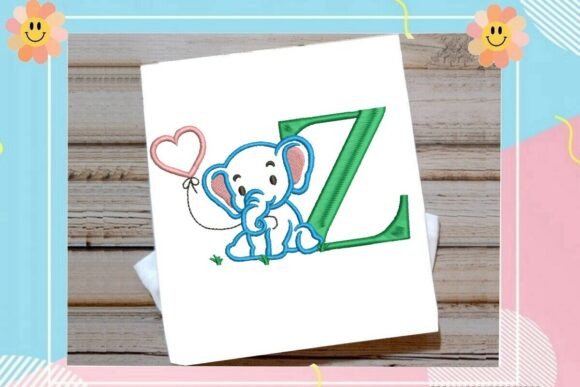
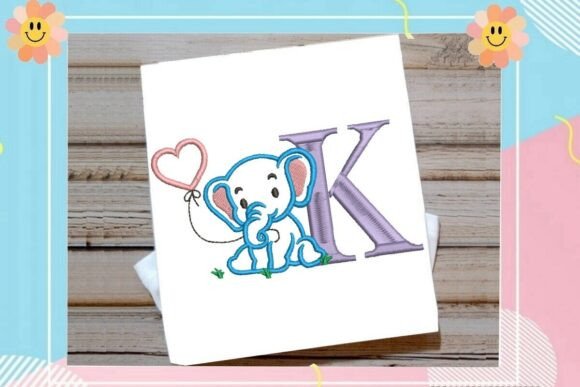
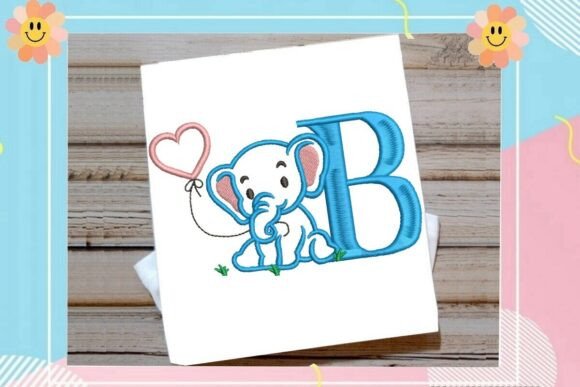
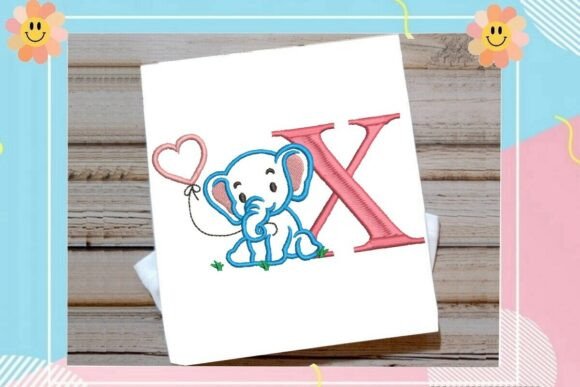
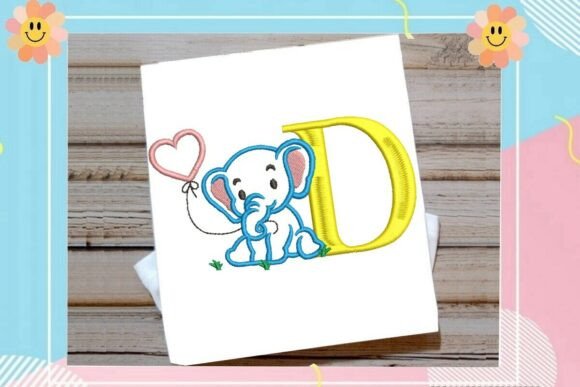
The first impression of the D Letter Cute Elephant Decor is undeniably whimsical yet structured. The integration of the initial "D" with the elephant holding a heart balloon creates a cohesive silhouette that reads clearly even at smaller sizes. From a branding perspective, this design communicates warmth, trust, and approachability. It is particularly effective for businesses targeting families, such as pediatric dental clinics, daycare centers, children’s bookstores, or family-owned bakeries.
However, because the design originates from the Nursery category, it carries a softness that must be balanced if used for general corporate identity. It does not project industrial strength or luxury minimalism; instead, it signals care and handmade quality. For Etsy sellers and creative studios focusing on baby products or toddler fashion, this visual personality is a perfect match. The heart balloon element adds a focal point that prevents the letter from looking too rigid, making it ideal for brands that want to emphasize emotional connection alongside professionalism.
Commercial Applications Beyond the Nursery
While the description highlights baby projects, experienced embroiderers know that versatile designs are revenue drivers. Here is how the D Letter Cute Elephant Decor performs across various commercial applications:
- Boutique Staff Uniforms: For children’s clothing stores or toy shops, this design works exceptionally well as a chest logo on polo shirts or cardigans. It serves as a friendly identifier for staff while reinforcing the store's niche.
- Tote Bag Design: Canvas totes are staple items for markets and boutiques. This design provides a charming centerpiece for reusable shopping bags, turning a functional item into a walking advertisement for your brand.
- Apron Embroidery: Family-style restaurants or cupcake shops can utilize this motif on aprons. The playful nature of the elephant softens the utilitarian look of workwear, enhancing the customer experience.
- Embroidered Patches: With proper digitizing verification, this artwork can be converted into iron-on or sew-on patches for backpacks, denim jackets, or caps. Patches allow for inventory flexibility, as you can stitch them in bulk and apply them to different garments as needed.
- Product Packaging Accents: High-end handmade sellers often embroider directly onto linen dust bags or gift pouches. Using this design elevates the unboxing experience, signaling to the buyer that they have purchased a premium handmade product.
Production Considerations and Technical Limits
Despite its charm, the D Letter Cute Elephant Decor requires careful technical evaluation before mass production. As with any digital embroidery file, assumptions about stitch density and outline registration can lead to costly rework. Small business owners must verify specific technical specs before purchasing or stitching.
Size Reduction and Detail Integrity
The most common challenge with character-based monograms is resizing. If you intend to use this for cap embroidery or sleeve cuffs, you may need to reduce the design significantly. You must check if the internal details of the elephant and the thin stem of the heart balloon hold up at smaller dimensions. Excessive stitch density in reduced areas can cause puckering or needle breaks, especially on lightweight fabrics. Always request or create a test stitch-out at your target size before committing to a full production run.
Fabric Texture and Stabilizer Selection
This design likely contains fill stitches and satin columns that interact differently depending on the substrate. On smooth cotton twill or canvas tote bags, the design should appear crisp. However, on textured fabrics like terry cloth, fleece, or knitted baby blankets, the fine details of the heart balloon may get lost. In these cases, using a water-soluble topping is non-negotiable to prevent stitches from sinking into the pile. For structured items like caps or stiff interfacing used in patches, ensure your stabilizer choice supports the design's weight without distorting the curve of the letter "D."
Thread Colors and Contrast
Brand identity relies on consistency. While the stock photo may show pastel thread colors, your business might require bold primaries or specific Pantone matches. Test the design in your brand palette first. Dark thread colors on dark fabric will obscure the elephant’s features unless you adjust the underlay or add a contrasting outline. Conversely, light threads on white fabric may lack definition. A printable mockup is useful for client approval, but nothing replaces a physical sample when evaluating contrast and legibility.
Impact on Customer Trust and Product Value
In the competitive landscape of small business merch, execution quality dictates perceived value. A poorly stitched version of the D Letter Cute Elephant Decor with misaligned outlines or bobbin thread showing through can damage brand reputation. Conversely, a perfectly executed application suggests attention to detail and quality control.
When customers see this design on a finished product, they associate the whimsy of the image with the care provided by the business. For service providers like doulas, nannies, or pediatric therapists, this visual cue helps lower anxiety and build rapport before a word is spoken. It transforms standard custom apparel into a tool for emotional engagement. Furthermore, unique, well-executed embroidery increases the resale value of handmade goods, distinguishing them from generic, mass-produced alternatives.
Designer Notes for Successful Implementation
To maximize the ROI of this embroidery file, follow these professional best practices:
- Verify Commercial Licensing: Before selling any item featuring this design, confirm the license terms. Some designers restrict the number of physical items you can sell or prohibit digitizing modifications. Ensure your intended use aligns with the permitted commercial embroidery rights.
- Test in Black and White: Run a grayscale or single-color test stitch first. This removes color distraction and allows you to inspect the structural integrity of the digitizing, specifically the transition points between the letter and the animal figure.
- Check Hoop Size Compatibility: Confirm the design dimensions fit within your machine’s maximum stitch area with adequate margin for hoop tension. If the design is near the limit of your hoop, consider splitting it or resizing to avoid registration errors.
- Create Client Mockups: Use software to generate a printable mockup showing the D Letter Cute Elephant Decor on the actual garment type. This manages expectations regarding size and placement before you thread a single needle.
- Audit Stitch Count: Higher stitch counts mean longer run times and higher costs. Review the stitch count relative to the size. If the density is excessively high for a lightweight baby onesie, consult a professional digitizer to optimize the file for that specific garment weight.
- Compare Against Other Assets: Place this design beside your existing logo or other brand elements. Ensure the style weight and line thickness are visually compatible. Consistency across design assets strengthens overall brand recognition.
The D Letter Cute Elephant Decor offers significant versatility for businesses operating in the family, child, and handmade sectors. By treating it as a commercial asset rather than just a decorative element, and by adhering to strict production testing protocols, you can leverage this charming design to build a recognizable, trustworthy, and profitable brand identity. Always prioritize technical validation over aesthetic assumption to ensure your finished product meets the high standards your customers expect.