Fall Alphabet Pumpkin: An Embroidery Design Review
As an embroidery designer who has digitized and tested thousands of files for commercial production, I approach every new machine embroidery design with a critical eye. When preparing inventory for the upcoming season, my primary concern is not just how pretty a design looks on a screen, but how it performs under the needle and translates into a profitable personalized gift. Recently, I took the Fall Alphabet Pumpkin into my studio to test its viability for custom orders. This review breaks down my practical experience testing this design for real-world applications, from nursery decor to autumn apparel.
First Impressions and Seasonal Charm
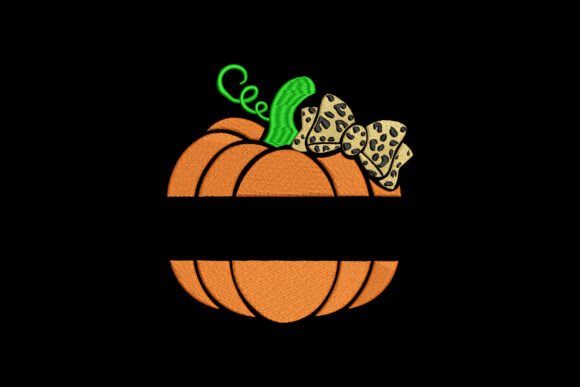
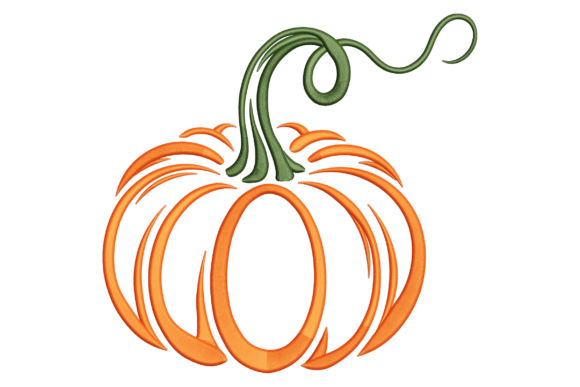
The initial appeal of the Fall Alphabet Pumpkin lies in its balanced aesthetic. It strikes a difficult chord between playful and elegant, making it versatile enough for both children’s items and adult home decor. The stylized pumpkin silhouette offers a classic autumn motif without feeling dated or overly cartoonish. For an Etsy seller or small shop owner, this distinction is vital. You want a design that feels timeless rather than trendy, ensuring your listings remain relevant throughout the entire season.
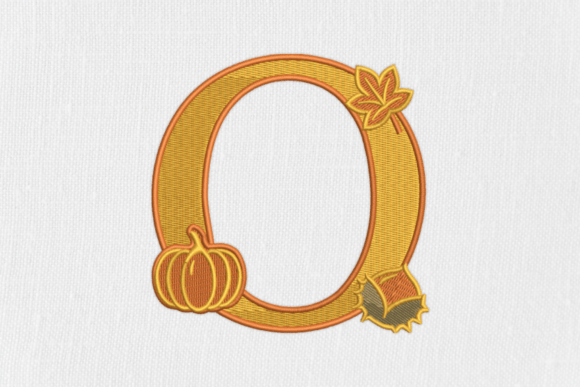
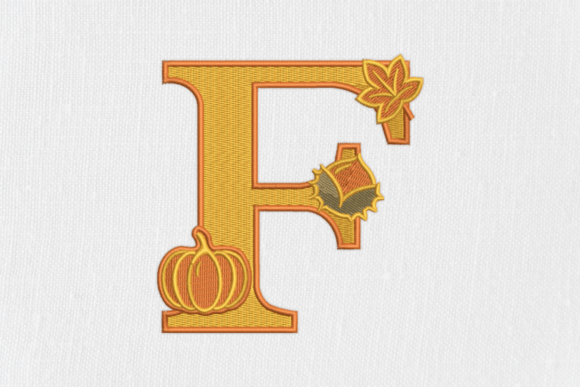
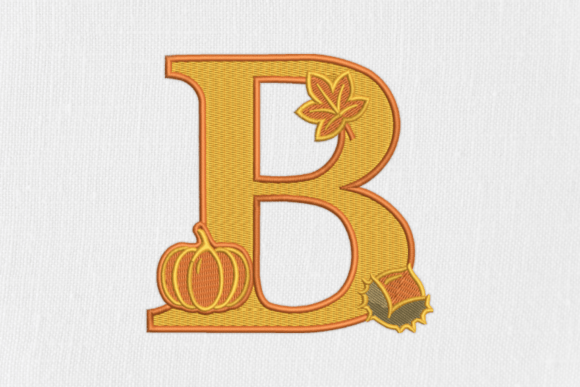
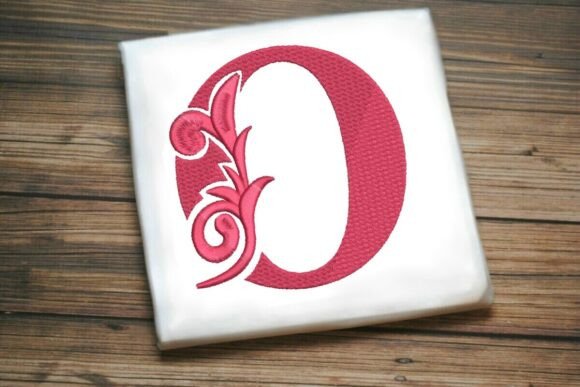
During my test stitch-out, the integrated lettering stood out as the focal point. Whether utilizing the bold "O" or the central monogram space mentioned in the product description, the typography anchors the design. It feels sweet and handmade, yet the clean lines suggest professional digitizing. This emotional connection is what drives sales; customers aren't just buying thread on fabric, they are buying a feeling of cozy nostalgia. As a handmade product, it communicates warmth immediately, which is essential for capturing buyers browsing for seasonal gifts.
Real-World Application: From Nursery to Kitchen
I evaluated the Fall Alphabet Pumpkin across three distinct customer personas to determine its market range. Understanding where a design fits helps streamline your production planning and marketing efforts.
Baby Embroidery and Nursery Decor
For the new parent demographic, this design is a strong contender for baby embroidery. I tested it on a cotton muslin blanket and a fleece receiving blanket. The pumpkin shape provides a gender-neutral option that appeals to parents moving away from strict pink or blue themes. However, when stitching for infants, softness is non-negotiable. I found that reducing the stitch density slightly on the fill areas prevented the design from becoming too stiff against delicate skin. This adaptation makes it perfect for crib sheets, burp cloths, and personalized baby announcements.
Kitchen Textiles and Hostess Gifts
Autumn is peak season for kitchen textiles. I stitched the Fall Alphabet Pumpkin onto a flour sack towel and a linen apron to simulate a hostess gift order. Here, the design needs to withstand utility. On the embroidered towel, the bold silhouette held up beautifully against the terry cloth texture. This application is ideal for customers seeking a custom embroidery piece for Thanksgiving hosting or fall baking. The design’s size allows it to be centered effectively on aprons without interfering with pockets or ties, maintaining functionality while adding seasonal flair.
Wedding Keepsakes and Family Heirlooms
Surprisingly, this design crosses over into the wedding market for autumn nuptials. When paired with sophisticated thread colors like copper, sage green, or deep burgundy, the Fall Alphabet Pumpkin transforms into a rustic-chic motif. I can envision this on a ring bearer pillow cover or a personalized tote bag for bridesmaids in a fall wedding. The key here is color selection; avoiding bright orange elevates the design from craft fair fare to boutique wedding gift status. It serves as a beautiful date marker or initial display for couples celebrating during harvest season.
Technical Considerations and Fabric Limitations
While the Fall Alphabet Pumpkin is versatile, no embroidery file is universal. Through testing, I identified specific scenarios where caution is required to ensure a high-quality finished product.
- Textured Fabrics: On thick terry towels or corduroy, the finer details of the stem or leaf veins may get lost. Always use a water-soluble topping to keep stitches above the pile. If the design has very thin satin stitches in these areas, consider widening them slightly in your software before stitching on high-pile fabrics.
- Stretchy Baby Clothes: Onesies and knitwear require careful stabilization. Because pumpkins often have round shapes, there is a risk of puckering if the hoop tension is too tight or the stabilizer is insufficient. I recommend using a fusible cutaway stabilizer for knits to maintain the integrity of the garment after washing.
- Dark Fabrics: The visual impact changes drastically on dark backgrounds. Before committing to a black or navy sweatshirt, create a printable mockup or run a test stitch. Light-colored threads on dark fabric can sometimes look sparse if the underlying fill isn't dense enough. Conversely, ensure the contrast is high enough so the integrated letter remains legible.
- Small Lettering: If you are resizing the Fall Alphabet Pumpkin significantly smaller for a cuff or sleeve, verify the minimum text height. Integrated monograms can become illegible if scaled below 0.25 inches. Always check the digitizer's recommended minimum size to avoid thread breaks or muddy details.
Enhancing Perceived Value and Customer Trust
In the competitive world of commercial embroidery, presentation is as important as execution. The Fall Alphabet Pumpkin has high giftability because it photographs well. The distinct shape creates negative space that makes for clean, uncluttered product photos. When listing this item, show it in context—draped over a chair, next to a miniature pumpkin, or folded neatly in a basket. This styling reinforces the "handmade quality" that justifies a premium price point.
Customer trust is built through transparency and consistency. By testing this design yourself, you can confidently answer questions about washability and durability. When a buyer asks if this will hold up on a toddler's bib, you can say yes because you have verified the stitch density and stabilizer combination. Furthermore, offering multiple thread color options in your listing photos demonstrates flexibility and attention to detail, increasing buyer engagement and conversion rates.
Essential Production Checklist for Sellers
Before adding the Fall Alphabet Pumpkin to your permanent collection or launching a seasonal sale, run through this practical checklist. These steps protect your reputation and minimize wasted materials.
- Verify Licensing: Always confirm the commercial licensing terms included with your digital embroidery file. Ensure you are permitted to sell finished products and check if there are any restrictions on the number of units or digital redistribution.
- Test on Scrap Fabric: Never stitch directly on a customer’s item without a prior test. Use scrap material that matches the weight and weave of your final product to check for registration issues or tension problems.
- Confirm Hoop Size: Double-check that the design dimensions fit comfortably within your machine’s maximum sewing field with adequate margin for the presser foot. Re-hooping increases the risk of misalignment.
- Review Thread Contrast: Compare light and dark fabric mockups. What works on cream canvas might disappear on beige linen. Adjust thread choices based on the base fabric color to maintain design clarity.
- Check Post-Wash Integrity: Wash and dry your test swatch using the method your customer will likely use. Inspect for loose threads, shrinking, or stabilizer residue. A small shop product must survive real life, not just the photo shoot.
- Audit Small Details: After stitching, examine the integrated letter and pumpkin edges closely. If the satin stitch pulls away from the fill or the outline gaps, adjust your pull compensation settings before running production batches.
The Fall Alphabet Pumpkin represents a solid investment for embroidery businesses focusing on autumn inventory. Its blend of seasonal charm and personalization potential makes it a reliable performer across multiple niches. By approaching this design with technical diligence and creative styling, you can transform a simple embroidery file into a best-selling signature product that delights customers and grows your brand. Remember, the success of any custom embroidery project lies in the intersection of beautiful digitizing and thoughtful application. Happy stitching!