Beach Split Monogram: A Craft Fair Seller’s Review
As an embroidery designer preparing for a busy weekend craft fair, my selection process is ruthless. I cannot afford to hoop designs that are ambiguous, overly complex, or fail to translate from screen to fabric. When evaluating the Beach Split Monogram for my upcoming market table, I am looking at more than just aesthetic appeal; I am analyzing production efficiency, customer readability, and profit potential. This design promises a subtle touch of charm and creativity, but does it hold up under the scrutiny of commercial embroidery and retail sales? Here is my professional assessment of this machine embroidery design as a viable craft fair product.
First Impressions: Coastal Charm Meets Retail Viability
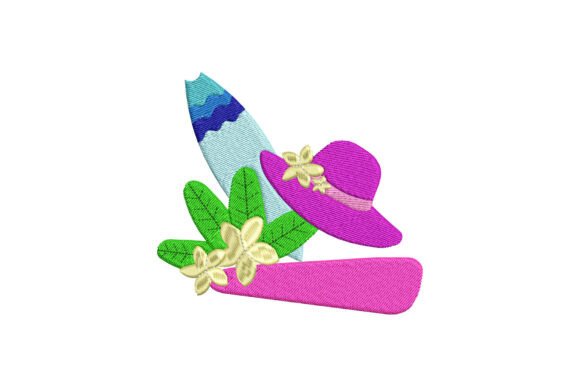
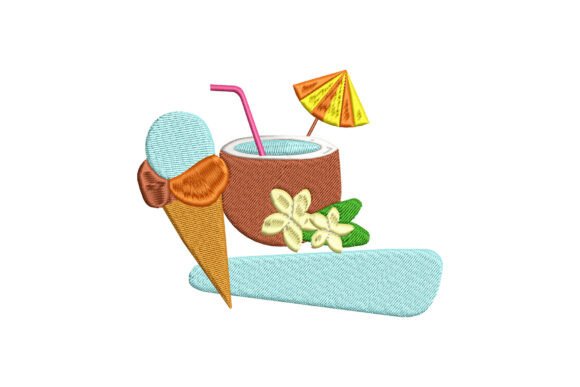
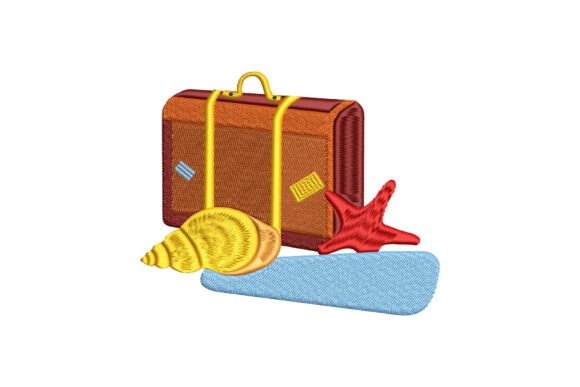
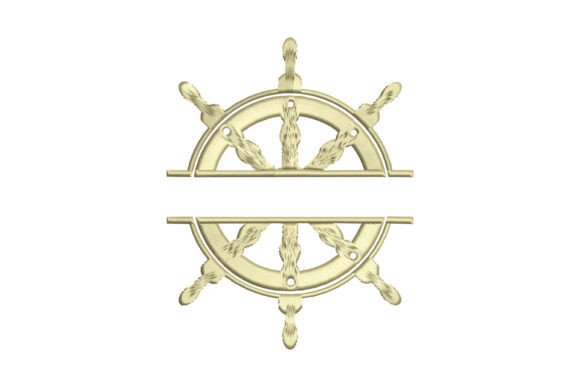
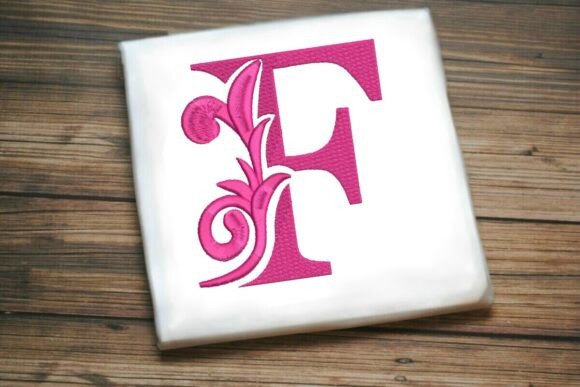
Upon loading the embroidery file into my software, the immediate impression is one of relaxed elegance. The "split" nature of the monogram suggests a layered or intertwined lettering style that feels modern yet timeless. Unlike novelty beach designs that rely on cartoonish crabs or palm trees, this Beach Split Monogram leans into a sophisticated, boutique aesthetic. It reads as premium rather than kitsch, which is crucial for attracting customers willing to pay higher price points for handmade products.
The visual weight appears balanced. For a craft fair booth where customers scan tables in seconds, clarity is king. This design avoids the cluttered look that often plagues detailed coastal themes. Instead, it offers a clean focal point that communicates "beach" through typography and subtle motifs rather than overwhelming imagery. This minimalism makes it versatile enough to appeal to both tourists seeking souvenirs and locals wanting year-round coastal home decor.
Best Performing Products for Market Sales
Not every substrate sells equally well at a physical market. Based on the description noting suitability for T-shirts, towels, and pillows, I have identified specific applications where this design will maximize return on investment.
Tea Towels and Kitchen Linens
This is arguably the strongest application for the Beach Split Monogram. Tea towel embroidery is a staple for Etsy sellers and market vendors because of the high turnover rate. The split monogram format allows for personalization (adding a family name) while maintaining the thematic element. On flour sack cotton or linen blends, the stitch density should remain manageable, keeping the fabric soft and functional. These make excellent impulse buys and giftable handmade items.
Tote Bags and Market Shoppers
A tote bag design needs to be legible from a distance. Because this monogram features a split layout, it likely has horizontal breadth that fills the center of a canvas bag beautifully without requiring excessive hoop repositioning. For a craft fair, pre-stitching these on natural canvas creates a cohesive booth display. The design’s subtle charm elevates a standard utility item into a fashion accessory, increasing perceived value.
Pillow Covers and Home Accents
While T-shirts are mentioned in the product description, pillow covers often yield better margins at craft fairs due to lower sizing constraints. The Beach Split Monogram serves as an elegant centerpiece for throw pillows. Unlike apparel, where fit is variable, home decor allows for consistent placement and batch production. This design would pair exceptionally well with textured linens or navy cottons for a nautical farmhouse vibe.
Production Practicality and Batch Efficiency
For small shop owners and creative entrepreneurs, time is money. A beautiful design is useless if it takes three hours to stitch or requires constant supervision. The Beach Split Monogram appears optimized for repeatable production. The description emphasizes "subtle charm," which typically correlates with moderate stitch counts and efficient pathing.
From a digital seller or commercial embroidery perspective, this versatility is key. The design assets likely scale well, allowing you to offer multiple sizes within your shop. However, always verify the hoop size requirements before committing to a bulk order of blanks. Efficient designs allow you to run multiple hoops unattended while managing customer interactions at your booth, directly impacting your daily revenue cap.
Critical Use Notes: Avoiding Production Pitfalls
Even the best embroidery file has limitations based on material choice. As you prepare your finished products, keep these technical considerations in mind to ensure quality control.
- Fabric Texture Matters: While perfect for smooth cottons, be cautious when stitching this on highly textured terry cloth towels. If the split details are fine, they may get lost in the pile. Always use a water-soluble topping to keep stitches crisp.
- Thread Contrast: Subtle designs die on low-contrast fabrics. If stitching on dark navy or slate blue, ensure your thread colors provide sufficient pop. White or cream threads on dark backgrounds enhance the coastal aesthetic and improve visibility in dimly lit indoor markets.
- Small Lettering Risks: If the design includes tiny accent text within the split, test it at the smallest intended size first. Lettering below 4mm can become illegible or cause thread breaks. Adjust the stitch density or simplify the text if producing for children's tees or small pouches.
- Stabilizer Selection: For T-shirts and lightweight knits, use a cut-away stabilizer to prevent puckering around the monogram. For tea towels and totes, a medium-weight tear-away usually suffices, reducing trimming time during batch production.
Marketing and Visual Merchandising Strategy
How you present the Beach Split Monogram is as important as the stitching itself. At a craft fair, create a "lifestyle vignette" rather than a flat lay. Drape an embroidered tea towel over a wooden crate or place a stitched pillow on a chair. This helps customers visualize the item in their own homes.
For online listings, printable mockups are essential for scaling your business beyond the weekend market. Because this design is typographic and structured, it photographs cleanly. Ensure your listing photos show close-ups of the stitch texture to convey handmade quality. Highlight keywords like "coastal wedding gift," "beach house decor," and "personalized summer tote" to capture relevant search traffic. Consistency between your physical booth samples and your digital storefront builds brand trust and encourages repeat buyers.
Designer’s Pre-Production Checklist
Before you commit to stitching fifty units for your next event, follow this professional validation protocol:
- Test Stitch on Scrap: Never assume default settings work for your specific machine and fabric combination. Run a test to check registration and tension.
- Verify Licensing: Confirm the commercial embroidery terms included with your digital embroidery file. Ensure you are licensed to sell finished products, not just the design itself.
- Create a Physical Mockup: Digital renderings do not account for fabric drape or sheen. Make at least one real sample to photograph and display.
- Check Spacing and Kerning: If customizing names, review the spacing manually. Automated digitizing sometimes leaves awkward gaps in split monograms that need manual adjustment for a premium look.
- Compare Fabric Colors: Test the design on your top three selling blank colors. A design that looks stunning on white might disappear on beige.
The Beach Split Monogram represents a strong opportunity for embroidery business owners seeking a balance of style and salability. Its subtle elegance avoids dating the product, ensuring it remains relevant beyond a single summer season. By focusing on high-margin substrates like tea towels and tote bags, and adhering to strict production testing, this design can become a reliable anchor in your craft fair inventory. Remember, successful vending is about minimizing risk while maximizing beauty; this design, when executed correctly, delivers on both fronts.