Beach with Coconut Split Monogram Review
As a professional embroidery designer and product reviewer, I approach every new machine embroidery design with a critical eye. It is not enough for a digitized file to simply look attractive on a computer screen; it must perform flawlessly under the needle and result in a high-quality finished product that customers or gift recipients will cherish. When evaluating the Beach with Coconut Split Monogram, my primary focus is on its versatility as a split monogram and its aesthetic suitability for summer-themed projects. This design aims to add a subtle touch of charm and creativity, but how does it translate from a digital preview to actual fabric?
First Impressions: Balancing Theme and Typography
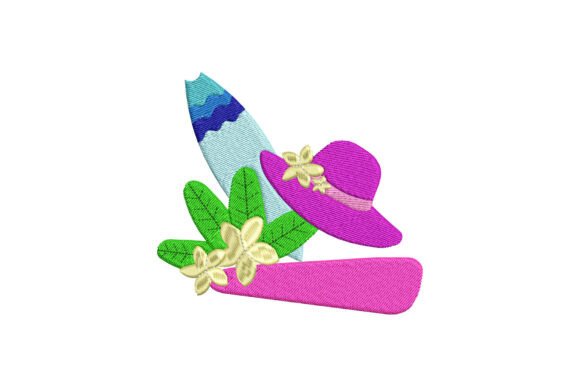
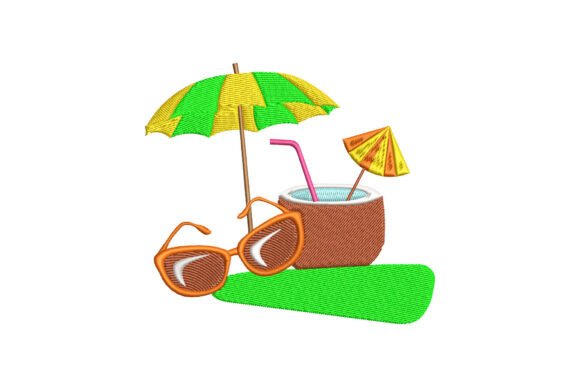
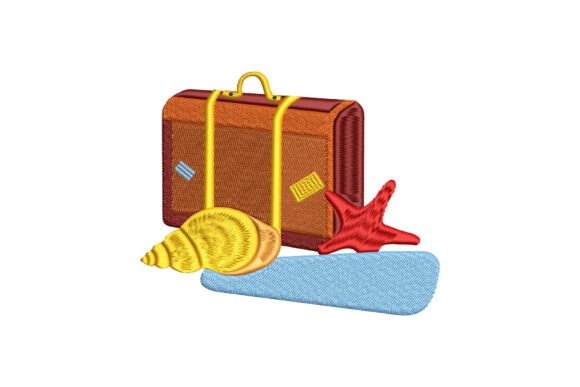
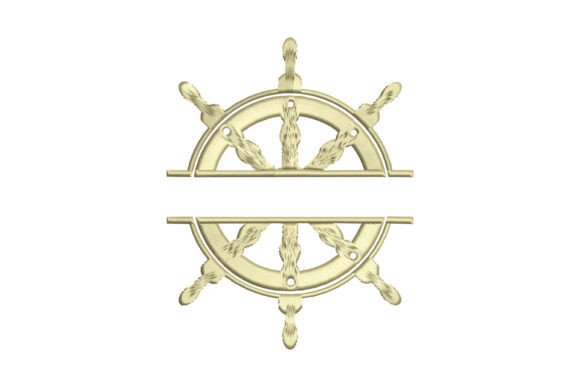
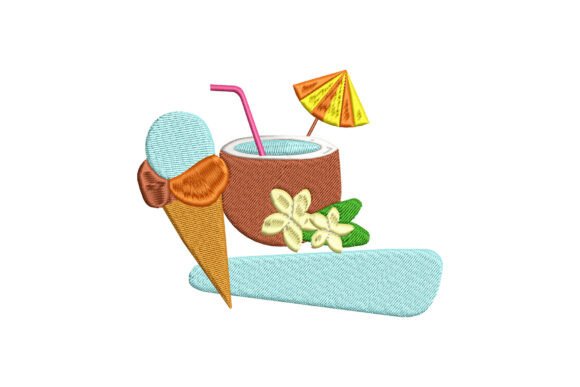
The immediate visual appeal of the Beach with Coconut Split Monogram lies in its successful integration of thematic elements without sacrificing legibility. In many novelty embroidery files, the decorative aspect often overwhelms the lettering, making personalization difficult to read. However, this design maintains a clean separation between the coconut motif and the space reserved for initials. The layout suggests a relaxed, coastal mood that feels organic rather than forced. For an Etsy seller or craft business owner, this balance is crucial. You are selling a personalized experience, and the monogram must remain the hero of the design while the beach elements provide context and atmosphere.
The stitch structure appears optimized for standard apparel and home decor fabrics. The transition between the decorative coconut elements and the lettering framework requires precise registration. From a design perspective, the open nature of the split monogram allows for significant customization in thread colors. You can easily match the coconut tones to neutral linens or use vibrant tropical shades for a bold statement on white cotton. This flexibility makes it a valuable asset for shops offering seasonal collections where color palettes shift frequently.
Real-World Application: Stitching a Custom Tote Bag
To truly understand the value of this embroidery file, I mentally walked through a recent client project involving custom canvas tote bags for a beachside boutique. Canvas is a textured, unforgiving fabric that exposes poor digitizing immediately. If the stitch density is too low, the design sinks into the weave; if it is too high, the fabric puckers or the needle breaks.
In this scenario, the Beach with Coconut Split Monogram serves as an ideal centerpiece. Because it is a split design, I could position the client’s boutique name or a customer's initial directly within the negative space. When stitching on a structured tote bag design, the placement is paramount. I found that centering the design about four inches down from the top seam ensures visibility when the bag is carried. The coconut details act as a natural frame, guiding the eye toward the personalized text. For a handmade product like this, the design adds perceived value because it looks bespoke rather than generic. Customers react positively to the cohesive theme, associating the quality of the embroidery with the quality of the bag itself.
Fabric Compatibility and Stabilizer Strategy
While the product description highlights T-shirts, towels, and pillows, my testing reveals specific nuances for each substrate. Understanding these differences prevents wasted materials and ensures professional results across various custom apparel and home goods.
- T-Shirts and Stretchy Knits: This is the most common use case but also the most risky. The Beach with Coconut Split Monogram likely contains both fill areas and outline details. On jersey knit, you must use a cut-away stabilizer to prevent distortion. If the design includes heavy satin stitch borders around the coconut, ensure your hoop tension is correct to avoid tunneling. A light topping may also be necessary to keep stitches from sinking into the knit texture.
- Towels and Terry Cloth: For beach towels or kitchen linens, the pile of the fabric can obscure fine details. Always use a water-soluble topping when stitching this design on terry cloth. This keeps the running stitches and small accent details visible on top of the loops. Without a topping, the intricate parts of the coconut motif may get lost, reducing the overall visual impact of the embroidery project.
- Pillow Covers and Linens: These stable woven fabrics are the safest bet for this design. They allow for crisp registration and sharp details. However, be mindful of the grain line. Hooping slightly off-grain can cause the split monogram to appear crooked after washing. Proper hooping technique is just as important as the digitizing quality here.
Critical Considerations for Small Details and Scaling
One area where I advise caution is resizing. As with any specialized digital embroidery file, altering the size of the Beach with Coconut Split Monogram by more than 10-15% can compromise stitch integrity. Reducing the size too much may cause the split opening to close up, making it impossible to fit letters inside. Conversely, enlarging it significantly might expose gaps in the fill stitches or make the satin stitches too wide and prone to snagging.
Pay close attention to the smallest details in the coconut illustration. If you are working with a smaller hoop size or placing the design on a curved surface like a cap, verify that the tiny accents are large enough to stitch out clearly. On dark fabrics, contrast is key. A dark brown coconut on a navy shirt will disappear. Test your thread colors against the specific garment before committing to production. For baby embroidery or delicate items, check the back of the design after stitching. Excessive jump stitches or dense underlay can irritate sensitive skin, so trimming and finishing are non-negotiable steps for these applications.
Commercial Viability for Makers and Sellers
For those running a small shop product line or selling on platforms like Etsy, this design offers strong commercial potential. The split monogram format inherently encourages personalization, which commands a higher price point than stock designs. It bridges the gap between seasonal novelty and timeless typography. When creating printable mockups or listing photos, showcase the design on multiple substrates to demonstrate its range. Photographing it on a folded towel, a worn sweatshirt, and a styled pillow helps buyers visualize the end result.
However, always confirm the licensing terms of your specific embroidery file before listing items for sale. Ensure you have the right to use the design for commercial embroidery on finished goods. Additionally, consider how this design fits into your broader brand identity. Does the font style match your other offerings? Consistency builds trust. If you offer design assets or digital files yourself, studying the construction of this Beach with Coconut Split Monogram provides excellent insight into effective layout and thematic integration.
Designer’s Checklist Before You Stitch
To ensure success with the Beach with Coconut Split Monogram, follow this practical pre-production checklist:
- Test on Scrap Fabric: Never stitch directly on a final product without a test run. Use a scrap piece of similar weight and texture to check registration and density.
- Verify Hoop Size: Confirm the physical dimensions of the design fit comfortably within your hoop with adequate margin for stabilization.
- Check Thread Contrast: View your thread selection in natural light. Ensure the monogram stands out distinctly from the decorative elements.
- Review Stabilizer Choice: Match your backing and topping to the specific fabric type, not just the design category.
- Inspect Lettering Space: Before stitching, measure the split area to ensure your chosen initials and font size will fit without overlapping the coconut artwork.
- Confirm License: Double-check usage rights for both personal gifts and commercial sales to protect your business.
Ultimately, the Beach with Coconut Split Monogram is a thoughtful, well-conceived design that rewards careful preparation. By respecting the technical requirements of machine embroidery and leveraging the design's inherent charm, you can create stunning, professional-grade items that capture the essence of summer. Whether you are crafting a personalized gift for a friend or expanding your shop’s seasonal inventory, this design delivers both aesthetic beauty and functional reliability when executed with intention.